
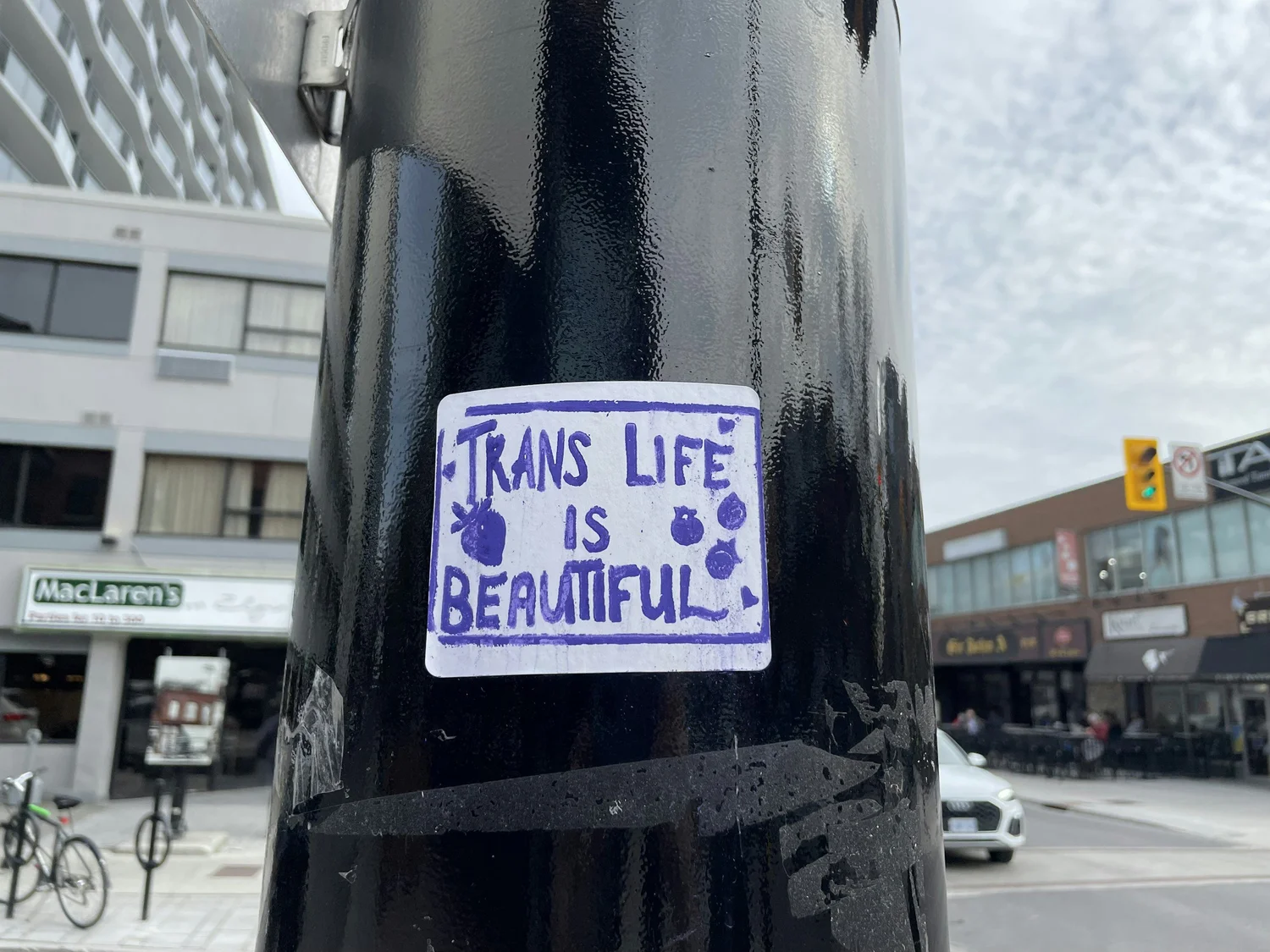
Every March 31, communities worldwide gather to celebrate Trans Day of Visibility (TDOV), a day dedicated to recognizing the joy, resilience, and everyday contributions of trans people. For those newly tuning into these conversations, it is crucial to distinguish this spring celebration from the Transgender Day of Remembrance in November, which honors the many lives lost to anti-trans violence. While Remembrance asks us to mourn tragedies, Visibility invites us to celebrate the beautiful reality of transgender individuals living authentically and thriving right now.
Yet, this celebration arrives at a deeply complicated moment in history. Being seen is a fundamental human need, but visibility quickly becomes a double-edged sword when the political targeting of trans people is at its height. According to civil rights organizations tracking current legislation, including the ACLU, hundreds of bills have recently been introduced across the country aimed at restricting access to public life and essential medical care. Simply existing in public spaces, from a workplace breakroom to a school hallway, now carries a heavy anxiety that cisgender people, those whose gender matches their sex assigned at birth, rarely have to consider.
Consider the profound peace of mind that comes from knowing your doctor has your best interests at heart and that the law protects your private healthcare decisions. Supporting transgender individuals means recognizing that gender-affirming care is not a controversial political issue, but rather a vital standard of health backed by major medical groups like the American Academy of Pediatrics. Stripping away this medical safety net does not protect communities; it endangers neighbors, friends, and family members who simply want to navigate their lives without fear of state intervention.
As news cycles continue to debate human lives as if they were abstract talking points, passive sympathy is no longer enough. Navigating the current landscape requires bridging the gap between watching from the sidelines and practicing informed, active allyship. Ultimately, the true purpose of TDOV is not just to observe the trans community, but to stand beside them, ensuring that being visible leads directly to safety, dignity, and lasting protection.
What 'Trans-Affirming' Actually Means in the Exam Room
Imagine looking in the mirror and not recognizing the person staring back. For someone exploring their gender identity, that profound disconnect is often a daily reality. Being transgender is much like looking into a mirror where the reflection simply doesn't match the person you know yourself to be. Affirmation, therefore, is not about changing who someone is; it is simply about helping that external reflection align with their internal reality so they can move through the world comfortably.
When this search for alignment reaches a doctor's office, it becomes gender-affirming care. Despite sensational headlines, this is rarely a single, dramatic procedure. Instead, it exists on a carefully considered, personalized spectrum. It might start with a physician using a teenager's correct name to establish a safe environment. From there, the spectrum often includes trans-affirming therapy to navigate social changes, reversible medical options to pause puberty, or hormonal support. Every step is decided quietly and thoughtfully between a patient, sometimes their family, and their doctor.
Establishing this baseline of respect is not an experimental approach. Every major organization, including the American Medical Association and the American Academy of Pediatrics, recognizes this holistic spectrum as the fundamental standard of care. When healthcare providers validate a patient's true self, they build the profound trust required for any effective medical treatment. Recognizing why this affirmation matters on a deeply human level lays the essential foundation for understanding the life-saving science behind gender-affirming care.
The Life-Saving Science Behind Gender-Affirming Care
The relief of finally taking a deep breath after holding it in for years is profound. For many trans individuals, that relief begins with a "social transition", everyday steps like adopting a new name, updating pronouns, or changing clothing to match their true selves. When these social changes aren't enough to ease a person's distress, they may work with doctors take medical steps toward transition. The medical necessity of transition-related healthcare is well-documented; research consistently shows that access to these treatments dramatically lowers rates of anxiety, severe depression, and suicidal thoughts, proving the mental health benefits of gender-affirming care are genuinely life-saving.
Because these outcomes are so vital, providers do not rely on guesswork. They follow the WPATH standards of care, a rigorous, evidence-based roadmap created by the World Professional Association for Transgender Health. Doctors rely on these guidelines to ensure safe, age-appropriate treatment through four key components:
- Assessment: Comprehensive evaluations by qualified healthcare professionals.
- Support: Ongoing counseling to help patients navigate emotional changes.
- Hormone Replacement Therapy: Carefully monitored treatments to align physical traits with gender identity.
- Surgical Options: Procedures generally reserved for adults after thorough review.
Navigating this deeply personal journey involves much more than clinical decisions alone. Even with the best medical protocols, the transition process often occurs within a society that can be unwelcoming or confusing. This emotional landscape demonstrates why culturally competent therapy is a critical safety net.
Why Culturally Competent Therapy is a Critical Safety Net
Reaching out for mental health support requires immense trust, yet that safety is often fractured by a bias known as "trans-broken arm syndrome." This occurs when providers mistakenly blame a patient's unrelated issue, like workplace anxiety or a physical injury, entirely on their gender identity. Removing these healthcare barriers highlights the importance of culturally competent therapy for transgender people. Effective LGBTQ+ therapy ensures professionals understand unique community challenges, treating the whole person rather than a stereotype.
To secure genuine support, individuals must learn to spot non-affirming environments early. Watch for three major red flags: a provider consistently using the wrong name, obsessing over gender when the patient wants to discuss unrelated trauma, or forcing the patient to teach them basic terminology. Conversely, receiving trauma-informed care offers profound psychological relief. When people are understood without having to defend their existence, they can finally drop their emotional armor and focus on true healing.
Finding these qualified experts requires proactive advocacy, such as asking clinics direct questions about their specific gender diversity training before booking an appointment. Securing this clinical safe haven is deeply necessary today. Even with a highly supportive medical team, trans people are navigating an exhausting landscape of hostile legislation, bringing us directly to the hidden psychological toll of political targeting.
The Hidden Psychological Toll of Political Targeting
Every time a new bill restricting transgender rights flashes across a screen, the damage extends far beyond the courtroom or capitol building. For transgender individuals, the relentless news cycle isn't just a political debate; it is a direct threat to their safety and stability. Psychologists recognize that the impact of political targeting on trans mental health is profound, transforming what should be abstract policy discussions into acute, daily anxiety. When someone’s right to access basic medical care or use a public facility is constantly questioned, the resulting fear becomes a chronic healthcare issue that therapy alone cannot entirely erase.
This compounding pressure is best understood through the "Minority Stress Model." Imagine trying to go about your normal day, working, paying bills, buying groceries-while a heavy, blaring alarm goes off in the background, constantly reminding you that your community is under scrutiny. Minority stress explains how the daily anticipation of discrimination, stigma, and societal rejection creates long-term physical and emotional exhaustion. It means that simply existing openly requires a tremendous amount of energy, leaving individuals highly vulnerable to depression and burnout even if they haven't experienced a direct, face-to-face attack that day.
Younger generations are particularly exposed to this hostile atmosphere, absorbing the fear and tension present in their social media feeds and local communities. Successfully supporting trans youth during anti-LGBTQ legislation requires adults to act as a buffer against this chronic stress, proactively reinforcing that they are valued and safe. One of the most immediate ways to create that protective environment is through the everyday words we choose, bringing us to the practical question of how to use inclusive language without feeling overwhelmed.
How to Use Inclusive Language Without Feeling Overwhelmed
Learning new terminology can feel like stepping through a minefield, but viewing it as a tool for respect changes the entire experience. Mastering trans-inclusive language and pronouns begins with two fundamental concepts. When a baby is born, a doctor typically declares "it's a boy" or "it's a girl"—this is their assigned sex at birth. If someone grows up and their gender matches that original medical label, they are cisgender. Transgender individuals simply have an identity that differs from that initial assignment, making the use of their correct name and pronouns a vital, everyday form of gender-affirming care.
Fear of making a mistake often holds well-meaning people back, yet perfection isn't required to be supportive. When you inevitably slip up with a pronoun, the best response is the simplest one, utilizing this easy three-step method:
- Acknowledge: Catch the error briefly (e.g., "Sorry...").
- Correct: Provide the right word immediately ("...she meant...").
- Move On: Continue your thought without forcing the other person to comfort your guilt.
An overly dramatic apology usually draws unwanted attention, whereas a swift adjustment demonstrates genuine respect. Mastering this quiet conversational pivot builds a solid foundation of trust, preparing you to step beyond basic vocabulary and explore practical ways to be an effective trans ally today.
5 Practical Ways to Be an Effective Trans Ally Today
Mastering vocabulary is just the beginning; the real work lies in moving from passive sympathy to active advocacy. Passive allies often hold supportive beliefs privately, whereas active allies consistently use their social leverage to create safety for others. By learning how to be an effective trans ally, you transform good intentions into tangible habits that improve people's everyday lives.
Daily advocacy doesn't require a background in political organizing to be powerful. You can build a meaningful foundation of support by adopting these five essential steps:
- Listen First: Center transgender experiences without making individuals responsible for your education.
- Use Correct Language: Treat requested names and pronouns as the baseline of respect.
- Speak Up in Your Circles: Address harmful jokes immediately, especially when trans people aren't around.
- Support Trans-Led Orgs: Ensure resources directly reach the community.
- Educate Others: Share reliable information so marginalized groups don't have to carry that burden alone.
The third step—speaking up in private spaces—is often the most daunting, yet it carries immense cultural weight. Challenging a coworker’s misinformation or a relative's casual joke shifts the climate behind closed doors. You don't need a medical degree to interrupt a harmful conversation; a simple "We don't speak about people that way here" firmly establishes boundaries without validating a debate.
When looking for ways to support trans rights locally, the key is directing your resources to the right places. Take time to vet charitable groups by reviewing their leadership structures; nonprofits actually run by transgender individuals consistently provide more direct, community-centered aid. Establishing this foundation of practical, community-focused advocacy naturally prepares you for the nuanced work of supporting trans youth in your schools and families.
Supporting Trans Youth in Your Schools and Families
Imagine the profound relief of coming home and knowing you will be loved exactly as you are. For transgender youth, this simple sense of security is literally life-saving. Major medical and psychological associations consistently confirm that when a child's identity is affirmed at home and school, their risk of depression and suicide plummets. This acceptance acts as an invisible shield, radically improving their life expectancy and overall well-being.
Creating this protective environment relies on everyday compassion rather than specialized training. Adults can readily implement three simple environmental changes: consistently using the youth's requested name and pronouns, actively interrupting bullying in classrooms or living rooms, and providing access to books and media reflecting diverse, positive experiences. Especially now, supporting trans youth during anti-LGBTQ legislation means ensuring the adults in their immediate world remain a constant, unwavering source of safety when outside spaces feel increasingly hostile.
Navigating these family dynamics can feel overwhelming, but caregivers never have to do it alone. Reliable resources from organizations like PFLAG or the Family Acceptance Project offer compassionate, evidence-based guidance for parents learning how to best support their kids. By understanding the profound mental health benefits of gender-affirming care—which encompass both vital social acceptance and age-appropriate medical consultation—families can replace fear with resilient joy. Fostering this supportive environment at home naturally paves the way for meaningful ways to celebrate Trans Day of Visibility.
Meaningful Ways to Celebrate Trans Day of Visibility (March 31)
While the history and significance of Trans Day of Visibility are rooted in acknowledging a marginalized community, the day has actively evolved into something profoundly uplifting. In a cultural climate heavily focused on legislative battles and restrictive headlines, simply experiencing and sharing happiness becomes a powerful act. This concept—trans joy as resistance—flips the narrative from purely focusing on struggle to celebrating the full, vibrant spectrum of transgender lives. It reminds everyone that surviving is vital, but thriving is the ultimate goal.
Turning this philosophy into practice requires tangible steps, whether you are celebrating your own identity or showing up as a dedicated ally. Consider these celebration ideas across three distinct tiers of engagement:
- Individual Education: Read a memoir or watch media by trans creators that specifically highlights everyday joy, success, and family life rather than trauma.
- Social Sharing: Amplify trans voices by using your social media platforms to highlight trans-owned businesses, artists, and positive community milestones.
- Community Action: Find and join local community center events—like an art showcase or a neighborhood picnic—to demonstrate your physical support and build genuine connections.
Every small gesture of celebration helps weave a stronger, more supportive social fabric for our neighbors. When we actively participate in these moments of joy, we demonstrate that transgender people are seen, valued, and embraced in our communities. Recognizing a community's shared humanity is the joyful first step; defending their right to exist safely is the necessary next step.
From Visibility to Protection: Your Local Advocacy Roadmap
Celebrating the people in your life creates a crucial foundation, but true safety depends on the environments we navigate daily. Advocating for transgender rights in your community means looking beyond personal interactions toward the policies governing our shared spaces. Consider the security of knowing local laws explicitly protect fundamental rights to exist and participate in public life. You can help build that necessary safety net for others by simply drafting a brief, respectful message to your city council or school board, urging them to support and adopt trans-inclusive policies.
This proactive mindset easily extends into the places we spend the majority of our week. Meaningful workplace inclusion strategies for transgender employees often start with a quiet, observant audit of everyday barriers rather than a grand corporate announcement. Look around your office: Are healthcare benefits inclusive of affirming care? Do the facilities offer safe, gender-neutral restroom options? Raising these specific questions with human resources helps remove invisible hurdles that might otherwise force colleagues to choose between their livelihood and their authentic selves.
Everyday commerce offers yet another opportunity to reinforce this essential network of protection. When you shop or dine locally, make an intentional habit of identifying "Safe Space" markers—like a visible pride decal or explicit anti-discrimination policies—and thank the owners for their commitment. Directing your dollars toward inclusive businesses sends a clear economic message that equality matters. As we weave these structural changes into our neighborhoods and offices, we naturally begin to shift the broader cultural climate.
The Future of Belonging: Why Your Support Changes the Narrative
Looking past the relentless news cycles and political arguments surrounding gender reveals a deeply human reality. Recognizing the importance of trans-affirming therapy and healthcare shifts the focus from theoretical debates to fundamental, life-saving standards of medical care. These treatments are essential support systems that allow people to finally recognize their own reflection and navigate the world with dignity.
At a time when the political targeting of trans people is at its height, supporting transgender individuals means moving from silent empathy to active, everyday allyship. You don't need to be a policy expert to make an immediate impact. Simply start by weaving "human-first" respect into your daily routines—correcting misinformation or harmful jokes in your own circles, seamlessly using correct names and pronouns, or directing your resources to trans-led organizations. Each time you speak up when a trans person isn't in the room, you help rebuild the crucial safety net that exclusionary laws attempt to tear down.
As March 31 approaches, you are ready to approach Trans Day of Visibility differently. Rather than passively observing the day, commit to one specific action that amplifies trans joy and resilience instead of just focusing on struggle. You can celebrate this year by reading a book by a transgender author, showing up at a local pride center event, or intentionally sharing stories of trans success and happiness with your network. Treating TDOV as an invitation to act ensures that public visibility is met with genuine community backing.
True allyship is not a one-day event, but an ongoing commitment to making the world safer for those simply trying to exist. Active support transforms bystanders into vital parts of the community's safety net. As you continue to champion the basic human rights of your neighbors, you help build a vibrant, optimistic community where everyone can thrive authentically, safely, and proudly.
You Deserve a Space That Gets It
Affirming therapy goes beyond tolerance — it means being truly seen, respected, and supported. At Thomas Blake Therapy in Los Angeles, I provide gender-affirming, trauma-informed care for trans and nonbinary individuals ready to heal, grow, and thrive on their own terms.
Reach out today to book your free 15-minute consultation. Your identity is not a problem to be solved — it's a foundation to build from.