

How EMDR, IFS, and Somatic Therapy Work Together
Calm therapy office in Pasadena for EMDR, IFS, and somatic trauma therapy
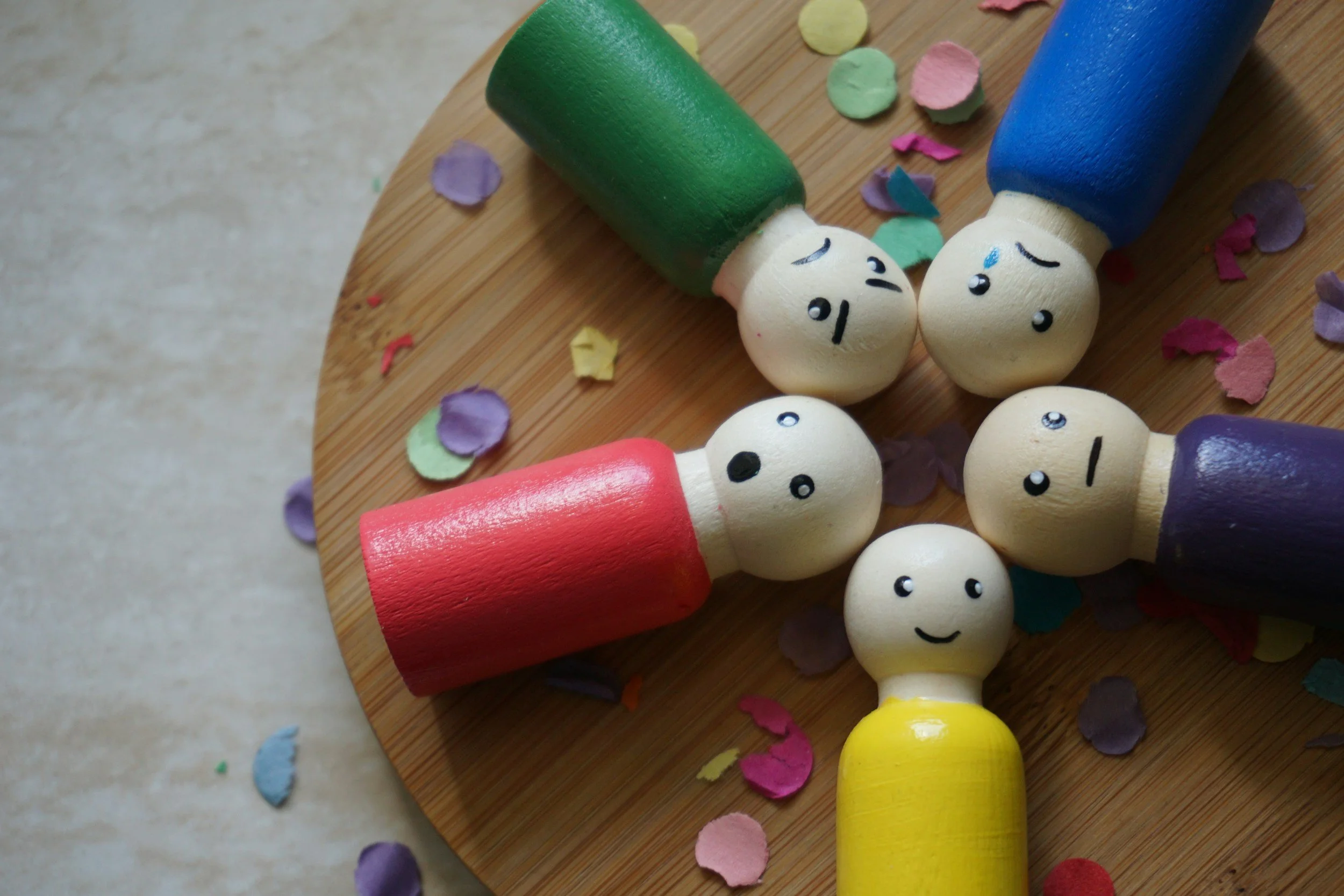
What EMDR Actually Feels Like
Most descriptions of EMDR tell you it's gentle and evidence-based. Neither of those words tells you what will happen when you sit down in the chair. Here's the walkthrough I wish existed: what preparation actually involves, what reprocessing feels like from the inside, why the distress goes up before it goes down, and how to tell if you're ready.

When Faith Was the Wound: Religious Trauma in the LGBTQ+ Community
For many LGBTQ+ people, the deepest wound didn't come from a stranger or a politician — it came from the place that was supposed to be holiest. Religious trauma is its own particular injury, and it tends to outlive the belief itself. Here's why it cuts so deep, what it looks like years later, and how it can begin to heal.
LGBTQ+ Self-Care for Pride Month: Navigating Safety, Anger, and Exhaustion in 2026
Pride Month arrives this year against a backdrop of rising anti-LGBTQ+ hate, exhausting political fights, and rainbow-branded corporate cynicism. Here's how to take care of yourself — whether you're going all-in, sitting it out, or somewhere in between.

You May Still Be Grieving the Eaton Fire (Even If You Think You’ve Moved On)
You’ve stopped talking about it. You’ve moved on. And yet — the wind catches you off guard. The smell of smoke makes your shoulders rise. You’re tired in a way sleep isn’t fixing. The Eaton Fire may still be here, in ways you didn’t expect.

What to Expect in Your First EMDR Therapy Session: A Pasadena Therapist's Guide
Most people walk into their first EMDR session a little nervous — and that's normal. Here's exactly what happens, what doesn't, and how to prepare, from a licensed EMDR therapist in Pasadena serving the greater Los Angeles area.


EMDR Therapy for Entertainment Industry Professionals in Los Angeles
If you work in Hollywood — as an actor, writer, director, crew member, or any of the hundreds of roles that keep the industry running — you already know that the last few years have been unlike anything the entertainment world has seen before. The stress isn't just professional. It's existential. And for many, it's becoming a mental health crisis that deserves real, effective care. EMDR therapy offers a powerful path forward.

LGBTQ-Affirming Therapy in Los Angeles and the Importance of EMDR
In Los Angeles, LGBTQ-affirming therapy can provide more than a safe space - it offers culturally competent support that recognizes minority stress, identity-based trauma, and the exhaustion of having to explain yourself in care. This article explores how EMDR helps the brain and body reprocess painful memories that talk therapy may not fully reach, and what to look for when seeking an affirming EMDR therapist in LA.

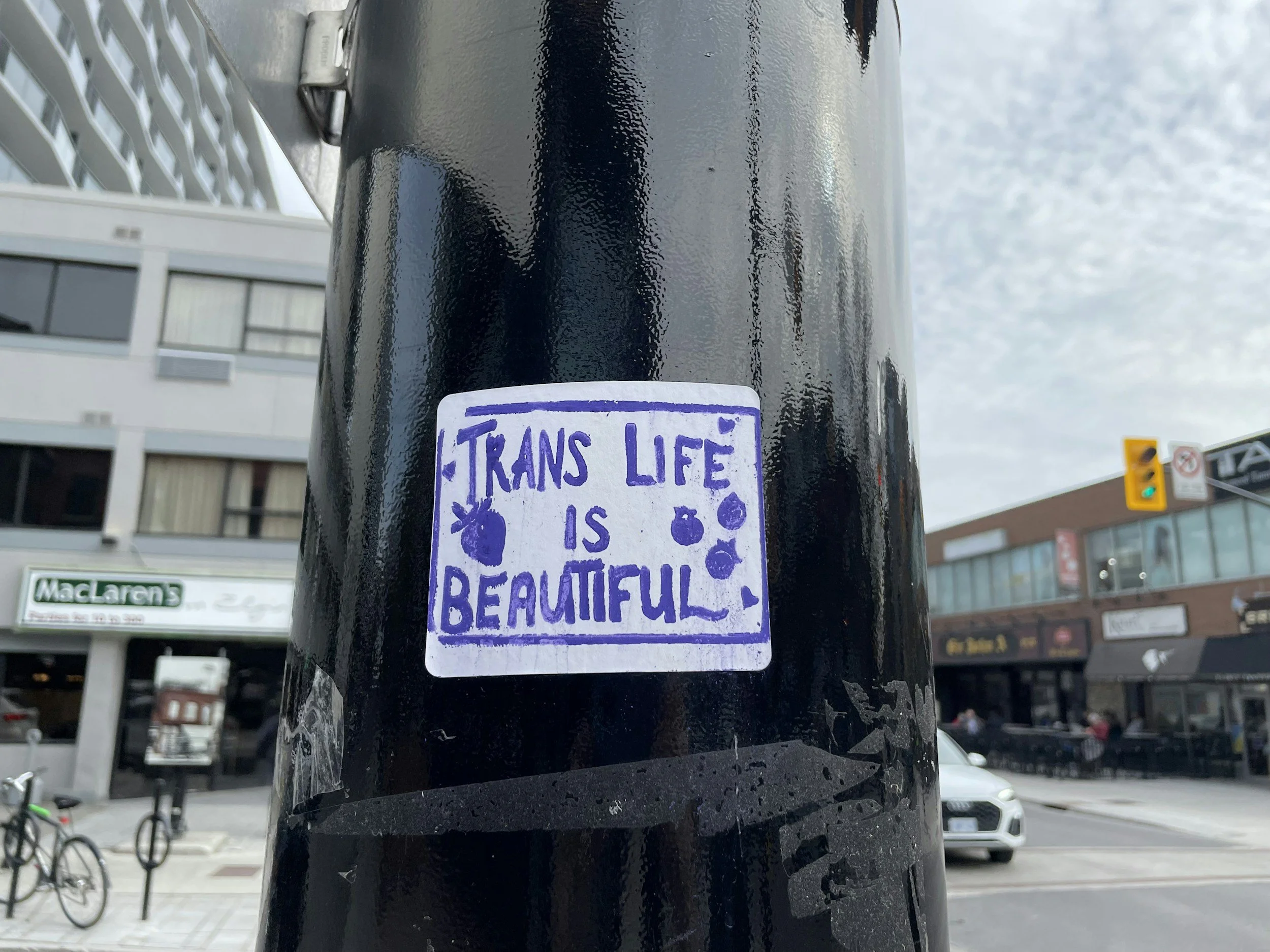
Empowering Trans Lives: Affirming Therapy & TDOV Celebration
Every March 31, communities celebrate Trans Day of Visibility (TDOV), honoring the joy, resilience, and everyday contributions of trans people. Unlike Transgender Day of Remembrance in November, which mourns lives lost to anti-trans violence, TDOV invites us to recognize trans people living authentically and thriving.
This celebration comes at a complicated moment. Visibility can be a double-edged sword when political targeting is intense, and many bills seek to restrict trans people’s access to public life and essential medical care. That climate creates daily anxiety in workplaces, schools, and healthcare settings.
Supporting transgender individuals means treating gender-affirming care as healthcare—grounded in established medical standards—not a political talking point. Allies can help ensure that being seen leads to safety, dignity, and lasting protection by speaking up, using correct names and pronouns, and backing trans-led organizations and inclusive policies. On TDOV, share trans voices, support affirming providers, and choose actions that make your community safer year-round for everyone.
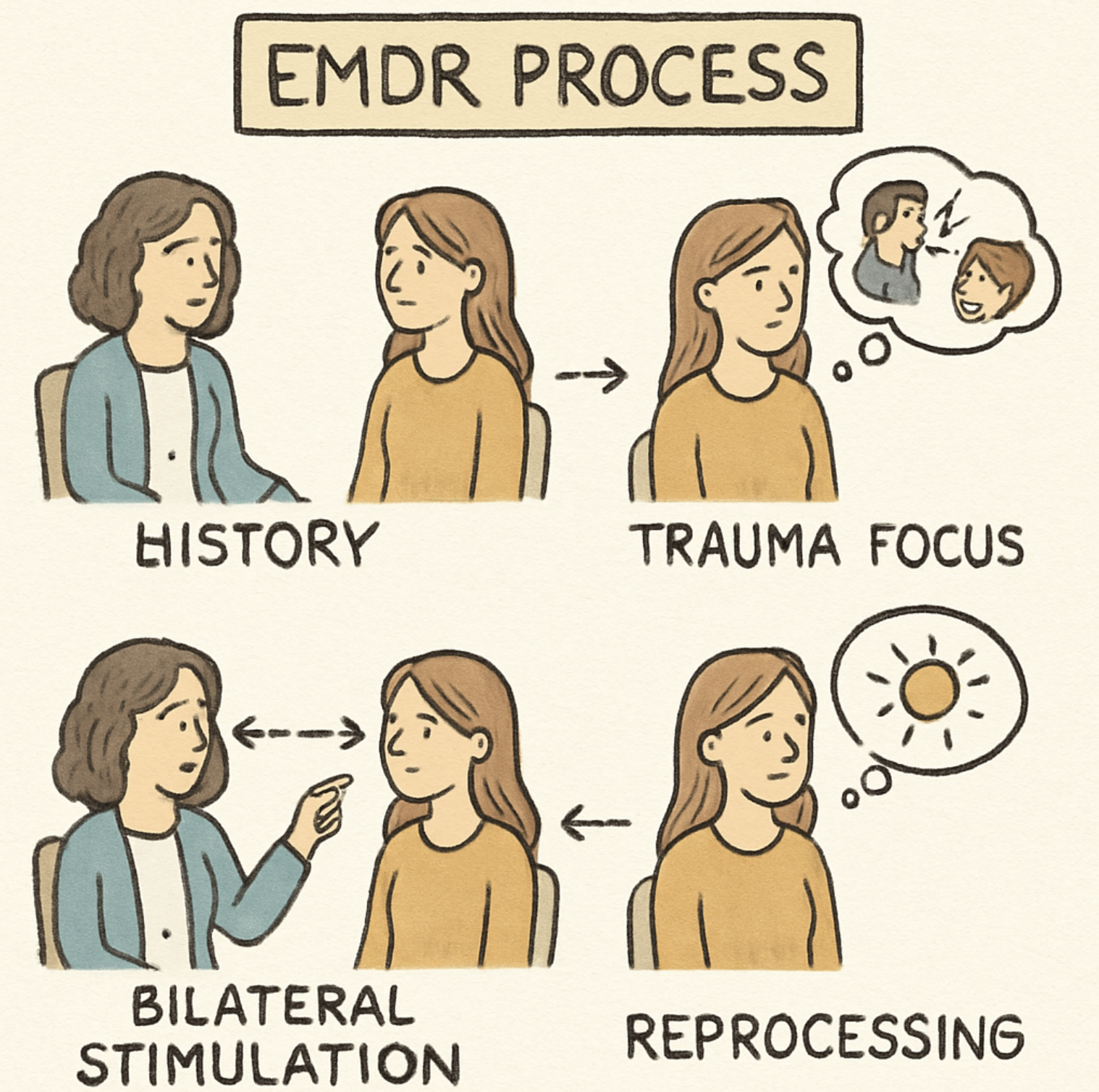
EMDR vs. Traditional Therapy: Key Differences Explained
EMDR and traditional therapy can both help—but in different ways. Learn how EMDR works, how it compares to talk therapy, and who may benefit most.
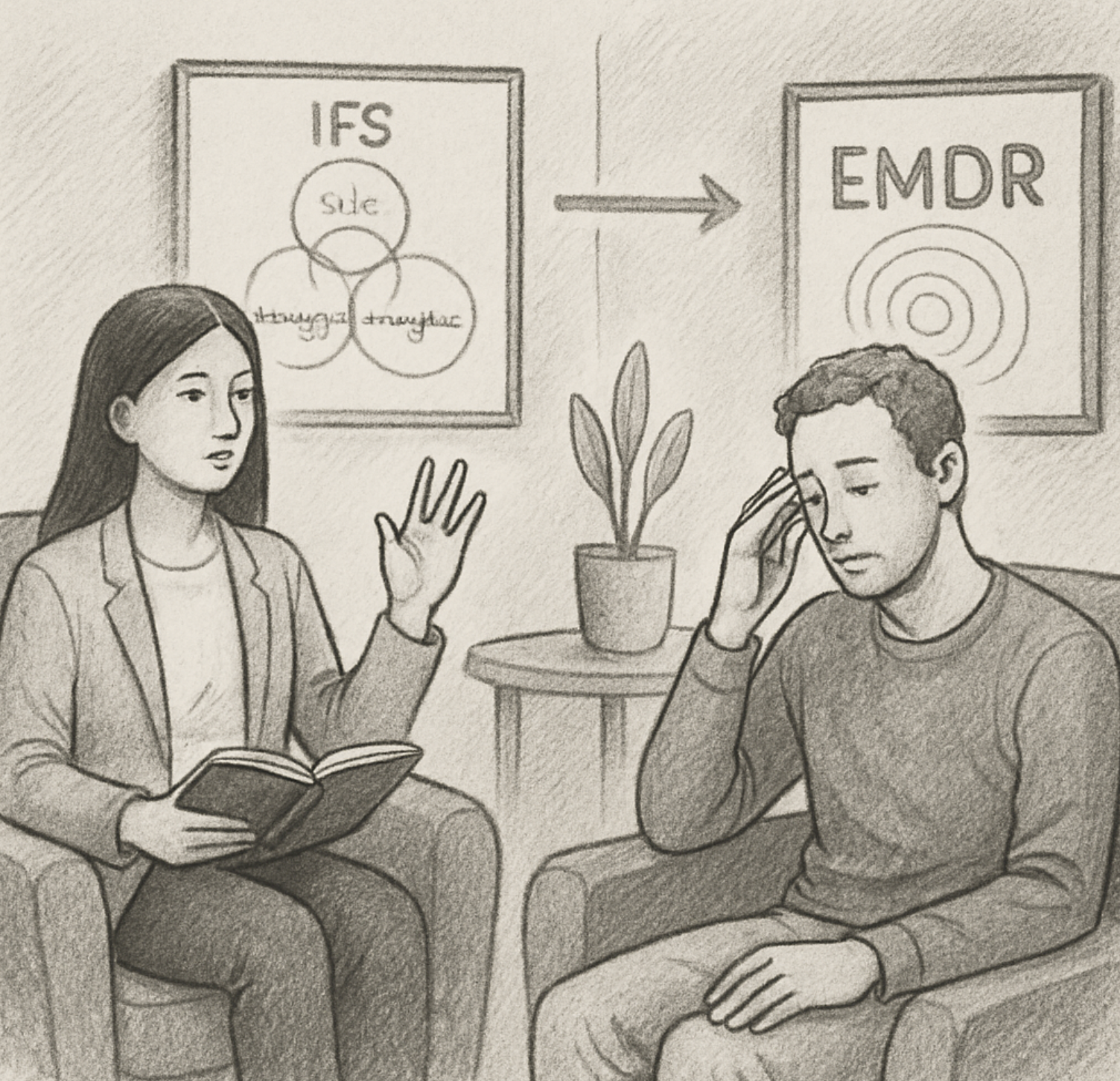

EMDR Treatment Side Effects: Understanding & Managing After Effects
Discover the common EMDR treatment side effects, including emotional exhaustion and vivid dreams, and learn how these signs indicate your brain’s deep healing process. EMDR Therapy in Los Angeles, CA

Complex PTSD in LGBTQ+ Adults: What Makes It Different
Complex PTSD in LGBTQ+ Adults: What Makes It Different
Key Takeaways
Complex PTSD in LGBTQ+ adults comes from repeated, identity-related trauma, not single events.
EMDR therapy works by addressing how trauma is stored in the nervous system
EMDR reduces PTSD symptoms, anxiety, and depression, even for long-term trauma.
LGBTQ+-affirming EMDR therapy addresses trauma and identity safely, improving self-expression and emotional balance.
Recovery is possible. EMDR therapy is an evidence-based treatment commonly used for Complex PTSD and other trauma-related conditions.
Complex PTSD (C-PTSD) develops over time. It comes from long-term trauma, often where safety and care were inconsistent. For many LGBTQ+ adults, trauma grows from years of stress tied to identity, acceptance, and safety.
Many adults seeking therapy in Pasadena find traditional methods overlook identity-based trauma. Trauma-informed, LGBTQ+-affirming therapy is essential. Combining trauma work with identity support makes healing faster. EMDR therapy is especially effective here.
Understanding Complex PTSD: Beyond Single-Event Trauma
Complex PTSD forms from repeated trauma. It grows slowly over time. Unlike PTSD from one event, Complex PTSD affects emotions, self-worth, and trust.
This trauma often starts in childhood but can continue into adulthood. Neglect, invalidation, unsafe care, and hiding identity all contribute. The brain stays on alert or shuts down as a survival response (Brewster et al., 2023, PubMed).
Many adults do not see their symptoms as trauma. They may feel shame, overload, or trouble connecting. EMDR helps the brain reprocess these memories safely.
Why LGBTQ+ Adults Face Higher Risk
LGBTQ+ adults face higher risk due to identity-based stressors. Family rejection, bullying, workplace discrimination, and concealing identity create long-term trauma (Brewster et al., 2023, PubMed).
Even small repeated invalidations can affect emotions and relationships. In Thomas Blake Therapy, Pasadena, CA, therapy that addresses both trauma and identity is critical. EMDR in an affirming setting helps address these complex layers.
How Complex PTSD Shows Up in LGBTQ+ Adults
Signs often relate to identity, safety, and belonging. Common symptoms include:
Chronic shame or harsh self-criticism
Fear of rejection or abandonment
Emotional flooding or numbness
Trouble trusting or forming close bonds
These are adaptive protective responses, not personal flaws. EMDR helps clients notice these patterns and develop healthier ways to relate.
Recognizing Emotional and Relationship Symptoms
Complex PTSD affects internal feelings and relationships. Symptoms may include:
Feeling worthless or defective
Trouble managing strong emotions
Fear of abandonment shaping choices
Difficulty with intimacy and trust
Over-vigilance or withdrawal
These patterns often show as people-pleasing or avoidance. EMDR works at the brain level to change these behaviors into lasting coping skills.
The Link Between Identity, Safety, and Trauma
For LGBTQ+ adults, trauma often involves identity-based experiences. If being authentic has caused harm, the brain sees honesty as risky. This can cause constant alertness or hiding the self.
Healing must address trauma and identity together. EMDR in an affirming setting rebuilds emotional control, self-trust, and safe self-expression.
Why Complex PTSD Is Often Missed
Symptoms can look like anxiety, depression, or personality issues. If identity-based trauma is ignored, the cause is missed. LGBTQ+-affirming therapy ensures clinicians see how identity stress shapes symptoms (Brewster et al., 2023, PubMed).
Treating only the symptoms often leads to incomplete recovery. Addressing trauma directly is essential.
How EMDR Therapy Transforms Treatment
EMDR helps the brain reprocess trauma so it does not trigger strong emotional or physical reactions. It works at the root, not just the symptoms.
Studies show EMDR reduces PTSD, anxiety, and depression (Chen et al., 2014, PMC). It is highly effective for long-term and identity-based trauma (Maxfield & Hyer, 2018, PubMed).
LGBTQ+-affirming EMDR addresses trauma while validating identity, creating deeper, lasting healing.
How EMDR Is Adapted for LGBTQ+ Adults With Complex PTSD
EMDR therapy for Complex PTSD often looks different than therapy for a single traumatic event. For LGBTQ+ adults seeking trauma therapy, sessions are paced to prioritize safety, nervous system regulation, and trust before exploring deeper memories.
Research shows that EMDR can help reduce PTSD symptoms, anxiety, and depression, even for trauma that has accumulated over many years. By focusing first on calming the nervous system, LGBTQ+ adults can process difficult experiences without becoming overwhelmed.
Other studies highlight that chronic identity-based stress—including experiences common in LGBTQ+ communities—can influence how trauma manifests in daily life. This underscores the importance of LGBTQ+-affirming therapy that adapts EMDR to address both trauma and identity needs.
Affirming EMDR ensures trauma work honors both identity and lived experience. Clients often see improvements in emotional regulation, self-trust, and authentic self-expression—all while feeling supported and safe.
At Thomas Blake Therapy, our clinicians understand that identity-based trauma often develops gradually, through repeated rejection, concealment, or invalidation. That's why our EMDR approach is phased, beginning with grounding and stabilization. This helps clients feel secure before processing more painful memories.
What Makes EMDR Different From Talk Therapy
Talk therapy focuses on insight and discussion. EMDR works directly with the nervous system. Guided eye movements trigger the brain’s natural healing.
Clients do not need to recount every painful detail. This reduces stress and overwhelm. Intensive EMDR has shown strong results even in severe cases (Van den Berg et al., 2018, PubMed).
LGBTQ+-Affirming EMDR: Why It Matters
Affirming EMDR therapy is safe, validating, and paced to each client. Identity-based trauma requires this approach.
Research shows EMDR in an affirming setting improves:
Emotional control
Self-trust and self-compassion
Relationships and connection
Sense of wholeness and agency (Koch et al., 2023, PubMed)
Clients can process trauma safely while learning to live authentically.
Frequently Asked Questions
Can Complex PTSD happen without physical abuse?
Yes. Emotional neglect, invalidation, and identity stress can all cause Complex PTSD (Brewster et al., 2023, PubMed).
Is EMDR effective for long-term trauma?
Yes. EMDR helps with single-event and long-term trauma, including identity-related stress (Maxfield & Hyer, 2018, PubMed).
Does therapy need to be LGBTQ+-affirming?
Yes. Feeling safe and understood is essential for recovery.
How long does EMDR therapy take?
It varies. Some clients see relief in weeks; others need longer therapy. EMDR often works faster than talk therapy alone.
Take the Next Step
If you are an LGBTQ+ adult with Complex PTSD, help is available. EMDR therapy offers a proven path to healing.
Our trauma-informed, LGBTQ+-affirming therapists in Thomas Blake Therapy, Pasadena CA understand the link between identity and trauma. We provide care to reclaim safety, authenticity, and wholeness.
Contact us today to schedule a free 15 minute consultation. Healing is possible. With support, you can move from surviving to thriving.

When Love Feels Overwhelming: Navigating Relationships as a Highly Sensitive Person
When Love Feels Overwhelming: Navigating Relationships as a Highly Sensitive Person
Key Takeaways
Highly Sensitive People experience relationships more intensely due to deeper emotional and sensory processing, which can lead to both profound connection and emotional overwhelm.
Overwhelm in relationships with highly sensitive people isn’t a flaw—it’s a nervous system response that benefits from intentional communication, boundaries, and regulation skills.
Sensitivity enhances emotional intimacy, empathy, and attunement, making HSPs capable of deeply meaningful and emotionally rich partnerships.
Unmanaged overwhelm can impact communication, leading to shutdown, avoidance, or emotional flooding that strains connection if not addressed thoughtfully.
Supportive strategies and therapy help HSPs thrive in love, building emotional regulation, mutual understanding, and relationships that feel safe rather than exhausting.
For many who identify as highly sensitive persons (HSPs), love is both deeply enriching and deeply overwhelming. In a world full of emotional intensity, sensory stimulation, and relationship complexity, a sensitive heart can feel both precious and heavy. For HSPs and their partners navigating relationships, understanding why overwhelm happens and learning practical skills to foster connection instead of conflict is essential.
Research confirms that HSPs process emotional and sensory information more deeply than others, leading to heightened awareness—and sometimes stress—in close relationships.
What Does It Mean to Be a Highly Sensitive Person in a Relationship?
Being a highly sensitive person isn’t about being “too emotional” — it's a distinct temperament trait rooted in how your nervous system processes stimuli. Scientists define this as sensory processing sensitivity (SPS), a biologically based way of perceiving subtle details, emotional nuances, and social cues more deeply than others.
Studies estimate that roughly 20–30% of people have this trait, meaning you're not alone if you feel emotions intensely, notice changes in your partner's mood with ease, or prefer quieter, meaningful interactions over high stimulation.
In relationships, this deep processing can translate to rich emotional connection—and, without support, overwhelm.
Why Do HSPs Often Feel Overwhelmed in Romantic Relationships?
For HSPs, connection feels big. Love isn't just affection—it's emotional depth, physiological responsiveness, and profound attunement to another person's inner world. That's part of what makes love so beautiful for sensitive people—but it also means emotional and relational experiences can feel intense.
Research shows that high sensory processing sensitivity predicts greater reactivity to environmental and emotional stimuli—including stress and everyday relationship triggers—which can make conflict or high emotional exchange feel overwhelming.
This doesn't mean sensitivity is a flaw; it means that without mindful strategies for managing emotional and sensory input, HSPs can become overstimulated and exhausted more easily
How Does Sensitivity Shape Emotional Intimacy and Connection?
One of the central strengths of relationships with highly sensitive people is the capacity for deep emotional intimacy. HSPs often tune into their partner’s emotions quickly and accurately, fostering empathy, connection, and emotional bonding that feels profoundly comforting.
Neuroscience research backs this up: brain imaging studies have found that people with high sensory processing sensitivity show stronger activation in neural regions involved in empathy, awareness, and self‑other processing when viewing emotional expressions.
This means HSPs aren’t just feeling more — their brains are wired to notice and resonate with emotional life in a way that can enrich relationships.
What Challenges Do Relationships with Highly Sensitive People Face?
Despite its strengths, sensitivity can also pose relational challenges:
Feeling emotionally overwhelmed during conflict
Difficulty “shutting off” emotional processing
Taking on partner stress or mood without boundaries
Evidence suggests that HSPs may experience higher emotional loneliness, even in close relationships, because of their intense needs for understanding and emotional attunement.
Conversely, when emotional needs aren’t met or when overwhelm goes unmanaged, HSPs may cycle into reactive patterns such as withdrawal, rumination, or emotional shutdown — adding stress to the relationship.
How Can Overwhelm Impact Communication Between Partners?
Communication is where emotional worlds meet — and where differences in sensitivity often show up most clearly.
Research on sensory processing sensitivity and romantic satisfaction suggests that negative emotional patterns and conflict styles — such as high distress or avoidance — can mediate the link between sensitivity and lower relationship satisfaction.
In plain language: if overwhelm leads to communication breakdowns (e.g., shutting down, escalating emotions, avoidance), both partners can feel frustrated and disconnected.
That’s why learning how to talk about needs, emotions, and overwhelm — not just what they are — is critical.
What Are Relational Strengths HSPs Bring to Love?
Your sensitivity isn’t just a challenge — it’s a relational asset.
Studies on sensory processing sensitivity find that HSPs often have heightened empathy and emotional insight, as well as greater creativity and aesthetic awareness — all of which can enrich connection, shared meaning, and emotional support in relationships.
When partners feel understood and seen by an HSP, it can deepen trust and intimacy in ways that complement a secure, balanced partnership.
How Can Partners Support Highly Sensitive People in Love?
Supporting a highly sensitive partner looks different from everyday “advice.” Here are some ways partners of HSPs can help:
Validating emotions instead of dismissing them
Allowing quiet decompression time after emotional exchange
Practicing compassionate communication, especially in conflict
Co‑creating rhythms in your relationship — such as scheduled check‑ins or calming transitions after busy days — can buffer overwhelm and help HSPs stay connected instead of shutting down or flooding.
What Does Healthy Emotional Regulation Look Like for HSPs?
Emotional regulation isn’t something you either have or don’t have — it’s a skill, and one HSPs often benefit from strengthening intentionally.
Techniques like mindfulness, grounding exercises, and paced breathing can help nervous systems settle after emotional intensity, making difficult conversations feel safer and more manageable.
Therapy—especially approaches that focus on emotional awareness and nervous system regulation—can be valuable in helping HSPs learn to navigate emotional waves without losing connection.
If emotional overwhelm feels intense or rooted in past experiences, trauma-informed approaches like EMDR Therapy can help you process and release underlying emotional triggers.
When Overwhelm Feels Too Heavy: Signs You Might Need Extra Support
It’s one thing to feel overwhelmed now and then — it’s another when overwhelm interferes with daily life or relationship satisfaction.
You might consider supportive therapy if you or your partner notice:
Persistent emotional exhaustion
Communication breakdowns becoming routine
Avoidance of meaningful conversations
Feeling disconnected or emotionally distant
A therapist can help you understand your emotional responses and develop practical tools to manage overwhelm in ways that protect connection rather than damage it. Beginning with a free 15-minute consultation at Thomas Blake Therapy can help you explore the right supportive path.
Frequently Asked Questions (FAQs)
Am I a highly sensitive person or just emotional?
HSP refers to how deeply you process sensory and emotional input — not simply being “emotional.” It’s a stable trait linked to nervous system responsiveness.
Can HSPs have fulfilling long‑term relationships?
Yes — many HSPs thrive in long‑term relationships when both partners practice understanding, care, and adaptive communication.
Why does overwhelm affect my relationship communication?
Sensitivity can make emotional cues more intense and prolonged, which can lead to patterns of emotional flooding or withdrawal without regulated communication strategies.
Can therapy help with HSP relationship challenges?
Absolutely. Approaches like EMDR Therapy and integrative individual therapy can build emotional regulation skills, deepen self-understanding, and strengthen connection in relationships.
Ready for Support That Meets Your Sensitivity?
If love sometimes feels too much or confusing — and you want help making relationships feel safer and clearer — Thomas Blake Therapy is here to support you.
Our compassionate clinicians specialize in helping highly sensitive people and their partners understand emotions, navigate overwhelm, and build relationships that feel nurturing rather than draining.
Connect with us today for personalized, evidence‑informed support that meets your emotional depth with care and understanding.

What Is Trauma Dumping and How it Impacts Your Relationships
What Is Trauma Dumping and How It Impacts Your Relationships
Key Takeaways
Trauma dumping is when someone shares a lot of emotional pain at once, without checking if the other person can handle it.
It usually comes from feeling overwhelmed, not from trying to burden someone.
Trauma dumping differs from healthy sharing because it lacks consent, pacing, and awareness of the listener.
Over time, it can strain relationships and make people feel unsafe or drained.
Trauma-informed therapy can teach safer ways to process and share emotions.
Understanding Trauma Dumping
Have you ever left a conversation feeling emotionally heavy, unsure why it was so draining? Maybe someone shared deeply personal pain all at once, or maybe you did. You spoke urgently and later felt exposed or regretful. These moments can leave both people feeling unsure, even in close relationships. What’s often at play is trauma dumping, a common but misunderstood way people react to emotional overwhelm.
Trauma dumping is not about being “too much” or doing something wrong. It’s usually a sign that emotions are spilling over because the nervous system is stressed. Learning to recognize it can help make relationships feel safer and more balanced.
What Does Trauma Dumping Mean?
Trauma dumping refers to the abrupt sharing of raw, intense emotional pain without checking if the listener is ready to receive it. It often feels urgent and overwhelming, like a dam breaking.
Unlike the kind of sharing that builds intimacy and connection, trauma dumping can leave both people feeling unprepared and depleted.
Here's what's important to understand: most people don't intend harm when they trauma dump. This pattern reflects nervous system stress and overwhelm, not a lack of caring or consideration. Recognizing this helps reduce the shame that often surrounds these experiences.
Why Trauma Dumping Happens
Emotional safety grows through trust, balance, and mutual care. Trauma dumping can disrupt that balance by placing the weight of unprocessed pain mostly on one person’s shoulders. When the emotional burden falls unevenly on a partner, the listener may feel overwhelmed or responsible for another’s distress. Over time, this can make connection and closeness harder to maintain. Research shows that early trauma is associated with emotional dysregulation and challenges in adult relationships, including less satisfaction and more interpersonal strain.
How Trauma Dumping Differs From Healthy Sharing
Healthy vulnerability includes key elements that trauma dumping lacks:
Consent
Healthy sharing asks permission before diving into heavy emotional territory. A simple "Do you have space to talk about something difficult?" honors the listener's capacity.
Pacing
Healthy sharing unfolds in steps rather than all at once. It allows both people to stay emotionally present without becoming overwhelmed.
Attunement
Healthy sharing involves checking in with the listener's emotional capacity and noticing their cues of comfort or distress.
In contrast, trauma dumping tends to feel one-sided. It seeks fast relief rather than mutual understanding, and can quickly overwhelm the listener's emotional resources.
What Is Trauma Dumping? Signs of Oversharing and Its Impact on Relationships
Sometimes, we don't realize trauma dumping is happening until a pattern has formed. Watch for these signs:
Sharing intense, triggering details without warning or context
Talking at length without pausing to check on the listener's feelings
Ignoring verbal or nonverbal cues of discomfort or fatigue
Relying on one person to consistently hold all emotional distress
These patterns can appear in romantic relationships, friendships, family connections, and even work or community settings.
How Trauma Dumping Affects Emotional Safety
Emotional safety grows through trust, balance, and mutual care. Trauma dumping disrupts this balance by placing the weight of unprocessed pain primarily on one person's shoulders.
Listeners may begin to feel responsible for relieving another's suffering. Over time, they may emotionally shut down to protect themselves from overwhelm. According to the National Alliance on Mental Illness, this dynamic can create distance where there once was closeness. Both people can end up feeling less secure in the relationship—one from not being truly heard, the other from carrying too much.
Signs You May Be Trauma Dumping
You might be trauma dumping if:
You feel an urgent, almost compulsive need to share everything at once
You find it difficult to pause or slow down your story
You don't check whether the listener is open or comfortable before sharing
Relief after sharing is short-lived or followed by guilt and regret
You feel shame or confusion after talking about your pain
These aren't moral failings. They're indicators of stress, overwhelm, and a nervous system seeking safety.
How Trauma Dumping Impacts Long-Term Relationships
When trauma dumping becomes a repeated pattern without awareness or repair, relationships can shift in unhealthy ways:
One person becomes cast as the sole container of distress
Partners may feel chronically overextended or unseen in their own needs
Intimacy and mutual support begin to weaken
Resentment can grow silently beneath the surface
Communication may start to feel unsafe or unbalanced
Healthy, attuned relationships rely on reciprocity and emotional safety. When that balance tips too far, connection suffers.
Healthier Ways to Share Pain and Build Safety
Shifting these patterns begins with small, intentional steps:
Before sharing:
Ask permission to talk about heavy material
Name your need clearly: "I'm feeling really overwhelmed and need to process something difficult"
Check in with your listener's emotional capacity: "Do you have the bandwidth for this right now?"
During sharing:
Layer your sharing instead of unloading everything at once
Notice cues of overwhelm in yourself and your listener
Pause periodically to allow space for response
Practices that support safer connection:
Slow down when you notice emotional urgency rising
Use mindful breathing and grounding techniques to regulate your nervous system before speaking
Ground yourself in your body before and after intense conversations
Write in a journal to sort through thoughts before bringing them to a relationship
Trauma-informed therapy offers a structured, supportive space to develop and practice these skills in depth.
Why Boundaries Help Relationships Feel Safer
Boundaries aren't walls that shut people out. They're safety markers that help both people understand what feels manageable and sustainable.Research from the American Psychological Association emphasizes that clear boundaries are essential for maintaining healthy relationships.
A clear, compassionate boundary might sound like:
"I want to share this with you, but let me check in first to see if now is a good time"
"I'm feeling a lot right now and need a moment to regulate before we talk"
"I hear you, and I care about what you're going through. I need to pause right now so I can stay present"
Healthy boundaries create more predictability and trust, reduce emotional overwhelm, and make space for repair and deeper connection. Hearing "not right now" can still be an act of love and care.
When Trauma Needs Professional Support
Sometimes trauma is simply too big to process only within friendships or romantic relationships. This isn't a sign of weakness—it's an acknowledgment that healing complex pain requires specialized support.
Therapy provides the safety, pacing, and skill-building that relationships alone cannot offer. Trauma-informed care helps you:
Understand patterns like trauma dumping and where they come from
Build regulation and communication skills
Repair relational wounds with intention and guidance
Develop a stronger sense of emotional safety within yourself
How Trauma-Informed Therapy Supports Better Relating
At Thomas Blake Therapy, we specialize in trauma-informed care that addresses the root causes of patterns like trauma dumping. Our approach helps by:
Strengthening awareness of your emotional patterns and triggers
Teaching practical skills to slow down and check in with yourself and others
Building consent and attunement around sharing emotional pain
Supporting nervous system regulation through evidence-based techniques
Improving communication, empathy, and relational attunement
These changes help relationships feel safer, more balanced, and more genuinely connected over time.
Frequently Asked Questions
Is trauma dumping always harmful?
Trauma dumping isn’t inherently harmful, and it usually isn’t intentional. It often happens when someone feels overwhelmed and lacks emotional support. However, when it becomes a frequent pattern, it can strain relationships by creating imbalance and emotional fatigue. Awareness and repair can help reduce its impact.
How is trauma dumping different from venting?
Venting is usually brief, mutual, and happens with consent. Trauma dumping tends to feel urgent, intense, and uncontained, often without checking if the listener is emotionally available. Venting allows space for response, while trauma dumping can leave the listener feeling overwhelmed or responsible.
Can trauma dumping damage relationships permanently?
Repeated trauma dumping can create distance if emotional safety and boundaries aren’t restored. One person may begin to feel overextended, while the other may still feel unheard. The good news is that many relationships can recover when patterns are recognized and addressed with care.
What should I do if someone trauma dumps on me?
It can help to acknowledge their pain without trying to fix it. Setting a gentle boundary, such as asking to pause or suggesting another time to talk, protects both people’s emotional capacity. Boundaries don’t mean rejection, they help maintain connection.
Is trauma dumping a sign of unresolved trauma?
Often, yes. Trauma dumping can reflect unprocessed experiences and difficulty regulating strong emotions. It’s usually a sign that someone’s nervous system is under stress and seeking relief, not that they are doing something wrong.
Ready to Build a Healthier Connection?
If you recognize trauma dumping patterns in your relationships—whether you're the one sharing or the one feeling overwhelmed by another's pain—you don't have to navigate this alone.
At Thomas Blake Therapy in Pasadena, CA, we provide compassionate, trauma-informed therapy that helps you:
Develop healthier ways of expressing and processing pain
Strengthen your emotional regulation skills
Repair and deepen your most important relationships
Move toward greater balance and authentic connection
Healing doesn't mean carrying everything by yourself or overwhelming those you love. It means learning to share your story in ways that honor both your needs and the capacity of others.
Schedule a consultation today and take the first step toward relationships rooted in safety, reciprocity, and genuine understanding.
Thomas Blake Therapy is located in Pasadena, CA, offering trauma-informed individual and couples therapy for those seeking to heal relational patterns and build deeper connections.

Attachment Issues: How Early Wounds Affect Your Relationships
Attachment Issues: How Early Wounds Affect Your Relationships
Key Takeaways
Attachment issues often stem from early relationships and shape how we connect with others throughout life
These patterns influence trust, communication, and intimacy in adult relationships
Attachment issues are adaptive responses, not personal failures or character flaws
Therapy, including attachment-focused approaches and EMDR, can help repair relational patterns
Awareness and supportive strategies can improve emotional safety and relationship satisfaction
What Are Attachment Issues?
Attachment issues refer to challenges in forming secure, trusting connections with others. These patterns often begin early in life when emotional needs are met inconsistently or caregivers are emotionally unavailable.
According to developmental research, attachment shapes how the nervous system learns about closeness, safety, and trust in relationships from infancy onward. Attachment patterns formed in childhood tend to carry into adulthood, influencing emotional responses and relational behaviors in close connections.
Attachment struggles are not character flaws — they are survival strategies your nervous system learned to cope with early experiences. With awareness and support, these nervous system patterns can shift over time.
What Are the Different Types of Attachment Styles?
Understanding your attachment style can provide valuable insight into how attachment issues manifest in your relationships:
Secure attachment
Comfortable with intimacy and trust, able to rely on others while maintaining healthy independence.
Anxious attachment
Often worries about abandonment or not being valued, leading to strong emotional sensitivity and reassurance-seeking. (Forbes)
Avoidant attachment
Characterized by discomfort with closeness, a strong sense of independence, and difficulty expressing vulnerability. (Cleveland Clinic)
Fearful-Avoidant (Disorganized) Attachment
A mix of wanting closeness but also fearing it, leading to conflicting relationship patterns and emotional confusion. (Psychology Today)
These styles reflect early experiences rather than personal flaws. Understanding your attachment style helps identify patterns in your relationships and opens pathways to healing.
What Are Common Signs of Attachment Issues in Relationships?
Attachment issues often manifest as recurring emotional or behavioral patterns, including:
Persistent anxiety, worry, or fear around separation from loved ones
Emotional avoidance or shutting down to protect yourself from potential hurt
Repetitive cycles of conflict, withdrawal, or pursuit in romantic or family relationships
Difficulty trusting others, expressing needs, or feeling emotionally safe in connections
Intense reactions to perceived rejection or abandonment
Challenges in maintaining consistent emotional intimacy
Recognizing these patterns is an important step toward interventions that support healthier relational dynamics.
What Causes Attachment Issues to Develop?
Attachment issues typically originate from early childhood experiences, including:
Inconsistent or unpredictable caregiving
When emotional needs are sometimes met and sometimes ignored, creating uncertainty and anxiety in relationships.
Emotional neglect or unavailability
Learning to suppress needs, self-soothe excessively, or distrust closeness when caregivers are emotionally distant.
Early trauma or loss
Experiences such as abuse, sudden separation, parental mental illness, or chronic household stress.
These responses were once protective mechanisms. While they helped you survive emotionally during childhood, they can create significant challenges in adult relationships when the original threats are no longer present.
How Do Attachment Issues Affect Adult Relationships?
Attachment issues influence various types of relationships in distinct ways:
Romantic partnerships
Cycles of anxiety, withdrawal, or conflict that impact intimacy, trust, and emotional connection. You may struggle with vulnerability or find yourself repeating unhealthy relationship patterns.
Friendships and family dynamics
Challenges in setting appropriate boundaries, trusting others with your authentic self, or managing the balance between closeness and independence.
Professional relationships
Attachment patterns can affect interactions with colleagues, supervisors, or authority figures, influencing collaboration, feedback reception, and workplace dynamics.
Understanding these influences empowers you to make conscious choices and build healthier, more satisfying connections across all areas of life.
How Are Attachment Issues Identified or Explored?
Exploring attachment issues begins with awareness, curiosity, and self-compassion:
Reflecting on recurring relationship patterns, emotional triggers, or reactions to intimacy
Observing your responses to closeness, conflict, separation, or perceived rejection
Noticing how your nervous system responds in different relational contexts
Working with a trauma-informed therapist trained in attachment-focused therapy or EMDR to process early emotional wounds in a safe, supportive environment
This exploratory approach emphasizes self-compassion and understanding, allowing you to examine attachment patterns without judgment or shame.
How Can Therapy Support Healing Attachment Issues and Relationships?
Therapy provides a safe, structured space to explore and heal attachment wounds through several approaches:
Attachment-focused therapy
Identifies early relational patterns and explores how they affect current relationships, helping you understand the origins of your attachment style.
EMDR therapy
EMDR is a trauma-informed method that helps process distressing memories and reduce their emotional impact on current relationships. Studies show EMDR supports emotional processing and regulation in clients with relational trauma histories.
Relational repair
The therapeutic relationship itself provides consistent, attuned connection that models secure attachment, offering a corrective emotional experience.
Through therapy, clients develop stronger emotional regulation skills, build trust, and cultivate healthier relational patterns that support more satisfying, secure connections.
What Coping Strategies Can Help With Attachment Issues?
Practical strategies can support healthier attachment patterns both in and outside of therapy:
Nervous system awareness
Learning to recognize when anxiety, avoidance, or emotional flooding occurs, and developing tools to regulate your responses.
Clear communication
Practicing expressing needs, desires, and boundaries directly in relationships rather than expecting others to read your mind.
Self-compassion
Responding kindly to yourself when old patterns emerge, recognizing that healing is a gradual process.
Mindful connection
Practicing attuned, present interactions with friends, family, and partners, gradually building tolerance for intimacy and vulnerability.
These strategies complement professional therapy and help create more secure, trusting relationships over time.
When Might Attachment Issues Benefit From Professional Support?
Consider seeking professional support if:
You experience repetitive cycles of distress, conflict, or dissatisfaction in relationships
Emotional overwhelm, fear of intimacy, or avoidance consistently interferes with meaningful connection
You recognize that past trauma continues to significantly influence your current relationships
You feel stuck in unhealthy relationship patterns despite your best efforts to change
Attachment issues are affecting your overall well-being, self-esteem, or mental health
A trauma-informed therapist in Pasadena, CA can help guide this healing process, supporting you in developing secure attachment patterns and experiencing greater relational satisfaction and growth.
Frequently Asked Questions About Attachment Issues and Relationships
Can attachment issues change with awareness and support?
Yes. Through therapy and intentional practice, attachment patterns can shift toward more secure connections over time. While your early experiences shaped your attachment style, it's not permanent—neuroplasticity and relational healing make change possible at any age.
Can relationships help heal attachment wounds?
Healthy, consistent relationships can provide corrective experiences that support healing. However, self-awareness and professional guidance are often essential to break entrenched patterns and develop new relational skills. The therapeutic relationship itself can be profoundly healing.
Do attachment issues affect emotional well-being?
Yes, attachment patterns significantly influence stress levels, self-esteem, emotional regulation, and overall mental health. Healing attachment issues often leads to improvements in anxiety, depression, and general emotional wellness.
Is it possible to develop secure attachment as an adult?
Absolutely. With insight, support, and consistent practice, adults can cultivate secure attachment patterns, strengthen relationships, and build lasting emotional resilience. Your attachment style can evolve throughout your life with the right support and commitment to growth.
Ready to Heal Attachment Wounds and Build Healthier Relationships?
If you're ready to break free from painful relationship patterns and develop more secure, fulfilling connections, we're here to help. Our trauma-informed therapists in Pasadena, CA specialize in attachment-focused therapy and EMDR to support your healing journey.
Take the first step today:
Schedule a consultation to discuss your relationship concerns and explore how therapy can help
Learn more about our approach to attachment-focused therapy and trauma healing
Contact us with questions about starting therapy in Pasadena
You don't have to navigate attachment issues alone. With the right support, secure attachment and satisfying relationships are possible.
Schedule Your Consultation | Contact Us Today