

Amplifying Healing: How EMDR and Psychedelic Integration Work Together

In the evolving field of trauma therapy, we are continually finding new ways to deepen and accelerate healing. One of the most promising and powerful intersections emerging today is the integration of EMDR (Eye Movement Desensitization and Reprocessing) with psychedelic integration therapy.
As a trauma therapist based in Pasadena, CA, I’ve had the privilege of witnessing how these two approaches can beautifully complement each other. While each stands strong on its own, when thoughtfully combined, EMDR and psychedelic integration can unlock profound layers of growth, insight, and resilience that traditional models sometimes cannot reach alone.
Understanding the Core of EMDR and Psychedelic Integration
EMDR is a well-researched, structured therapy that helps clients process and resolve traumatic memories by engaging the brain's natural healing mechanisms. It uses bilateral stimulation (like eye movements, tapping, or auditory tones) to support the brain in reprocessing stuck memories and associated beliefs.
Psychedelic integration therapy, on the other hand, is not about administering psychedelics in session. Instead, it focuses on helping clients make meaning of and incorporate the insights, emotions, and experiences they encountered during psychedelic journeys, whether from substances like psilocybin, MDMA, ayahuasca, or ketamine.
Both EMDR and psychedelic integration share a common aim: to access deeper levels of the psyche where healing can occur organically, beyond just cognitive understanding.
How Psychedelic Experiences Can Prime the Brain for EMDR
Psychedelic journeys often open up emotional landscapes that can feel vast, overwhelming, or confusing. They can unlock memories, sensations, or spiritual insights that the conscious mind struggles to fully process.
When clients return from a significant psychedelic experience, they often bring back:
Powerful emotions that don't yet have a clear narrative
Shifts in self-perception or worldview
Emergence of long-buried traumatic memories
Feelings of awe, grief, fear, love, or interconnectedness
Without proper integration, these experiences can either fade away or cause lingering confusion. This is where EMDR becomes a highly valuable tool.
Through targeted reprocessing, EMDR can help:
Consolidate fragmented memories
Integrate emotional insights into daily life
Transform residual fear or overwhelm into understanding and empowerment
Reframe limiting beliefs that surfaced during the journey
Rather than letting the psychedelic experience stay as a “one-time event,” EMDR ensures that the healing becomes lived and embodied.
How EMDR and Psychedelic Integration Complement Each Other
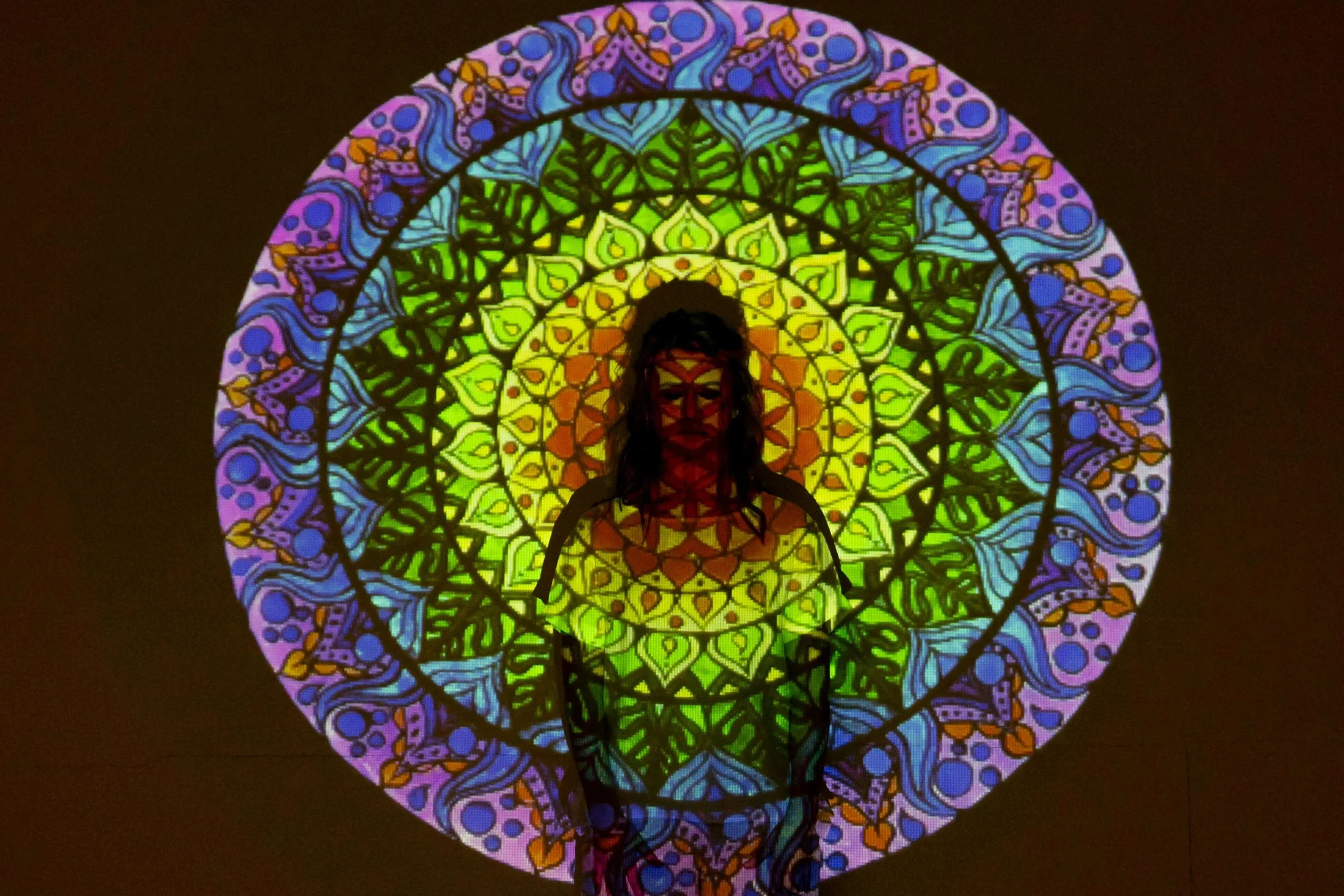
Here are several ways these two approaches strengthen each other:
1. Deepening Access to Material
Psychedelics often bring to light material that may have been inaccessible to the conscious mind. EMDR can then help process that material at a somatic and emotional level, giving it context and resolution.
2. Building a Bridge Between States
One challenge after a psychedelic journey is bridging the "extraordinary" states of consciousness with the "ordinary" world. EMDR's structured, contained process offers a safe space for clients to make that bridge, weaving insights into tangible changes.
3. Supporting Nervous System Regulation
Both trauma and psychedelics can profoundly impact the nervous system. EMDR, particularly when paired with correlation and resourcing techniques, can help regulate the nervous system post-journey, reducing integration distress.
4. Reprocessing Residual Trauma
Sometimes psychedelics surface trauma without fully resolving it. EMDR provides a direct pathway to complete the processing of those memories, so that they no longer hold emotional charge.
5. Empowering Clients as the Healers
Both EMDR and psychedelic integration respect the innate wisdom of the client. The therapist is not "doing" something to the client; they are facilitating the client’s natural ability to heal, grow, and rewire.
Special Considerations: Ethical and Thoughtful Integration
It’s important to note: psychedelic integration work is most effective when it respects the client’s pace and honors the sacredness of their experience. It is not about "fixing" anything that happened during the journey. Instead, it’s about listening to what the experience revealed and helping it find a home in the client’s life.
When integrating EMDR into post-psychedelic work, therapists must be:
Highly attuned to consent and client readiness
Willing to work slowly and titrate exposure to difficult material
Open to spiritual, transpersonal, and somatic dimensions of healing
Integration is not a rush to "make sense" — it is an unfolding.
A New Frontier of Healing
Here at Thomas Blake Therapy in Pasadena, CA, we believe that true healing embraces both science and spirit. Combining EMDR with psychedelic integration offers clients an expanded toolkit for working through trauma, embracing transformation, and living more fully.

The future of trauma therapy is relational, embodied, and expansive. By weaving together EMDR's precision with the depth and mystery of psychedelic experiences, we create a space where healing can move beyond survival into thriving.
Start EMDR Therapy in Pasadena, CA
If you’re interested in learning more about how EMDR and psychedelic integration might support your healing journey, reach out to Thomas Blake Therapy. You don’t have to walk this path alone. The door to deeper healing is open, and our team of caring therapists would be happy to help you take the first steps:
Schedule a free, 15-minute consultation
Meet with a caring therapist
Start healing so you can thrive!
